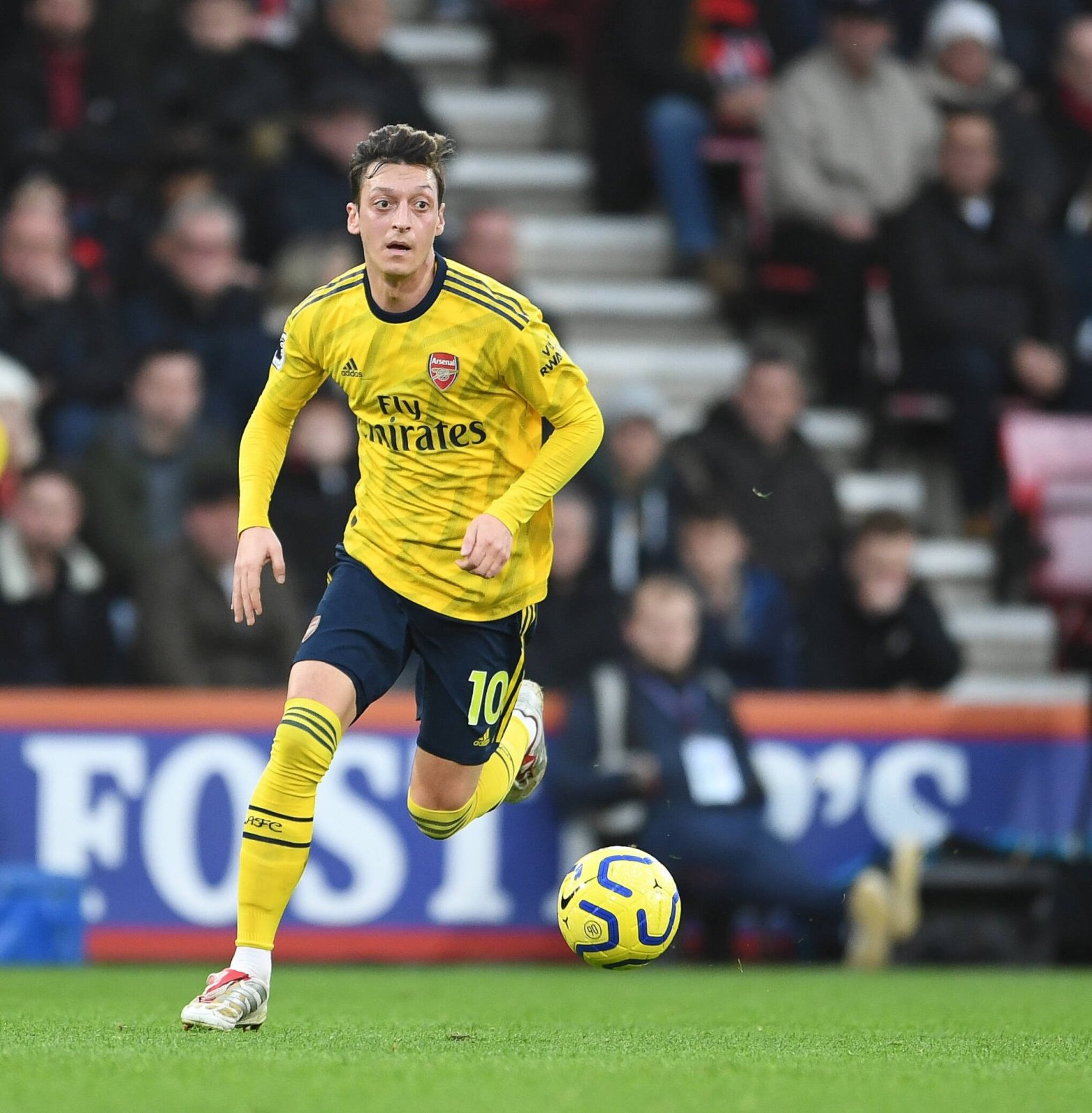
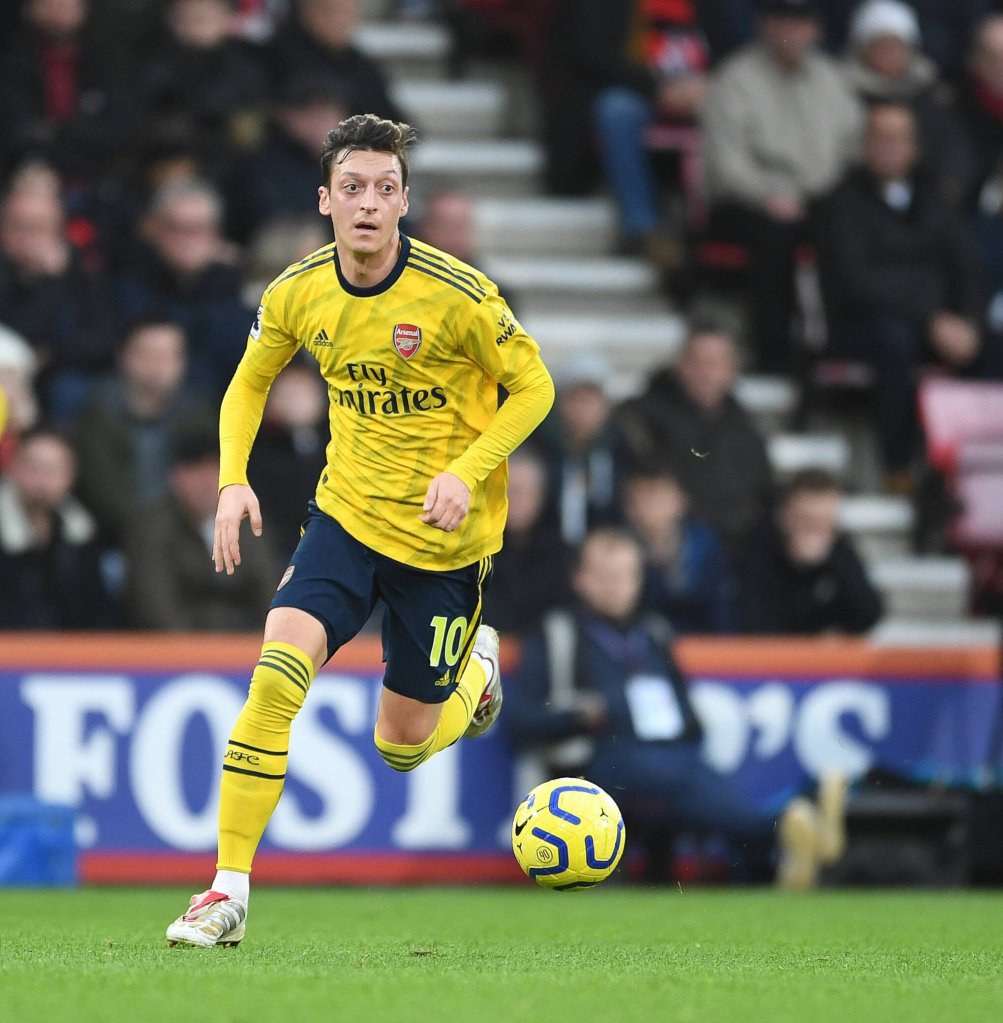
Mesut Ozil, Christian Erikson, Isco, and Mario Gotze are notable examples of famous number 10’s. These players were the glitz and glamour of world football; however, these playmakers are now struggling and on the peripherals of their teams. The role has become redundant in recent years and fewer teams are playing the archetypal number 10.
What is a Number 10?
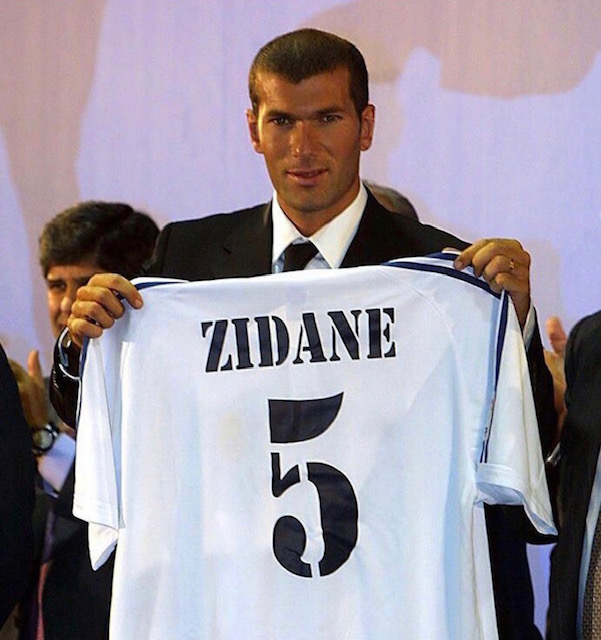
The definition of a number 10 is a player who links midfield with attack, floating between the two and becoming the playmaker of the side. They are blessed with vision, composure, awareness, and an incredible range of passing, culminating in an almost extra-sensory ability to control the game according to afootballreport.com. These types of footballers are allowed the freedom to roam, create, and unlock opposition’s defences. Out of possession, they look for space on the pitch to receive the ball and start an attack.
For many years football fans would worship number 10’s, as they would force supporters off their feet with eye-catching passes and silky dribbling. Names like Zidane, Riquelme, Cantona, Maradona, and Bergkamp come to mind. These “luxury” players were seen as the most gifted and best in the world, so what’s changed?
Tactical Evolution
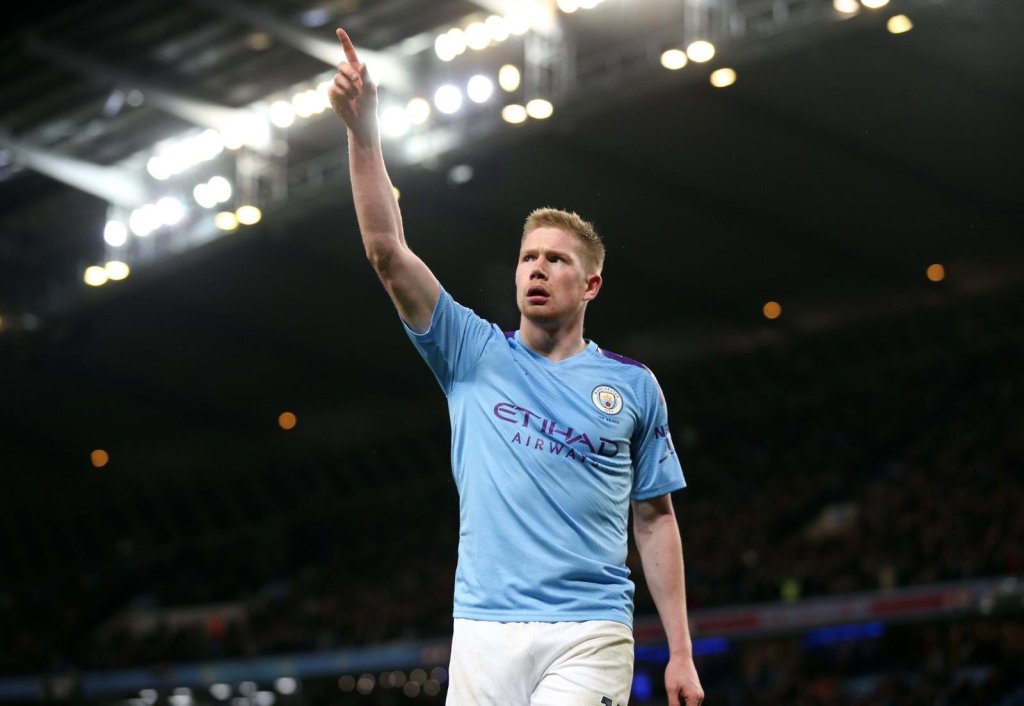
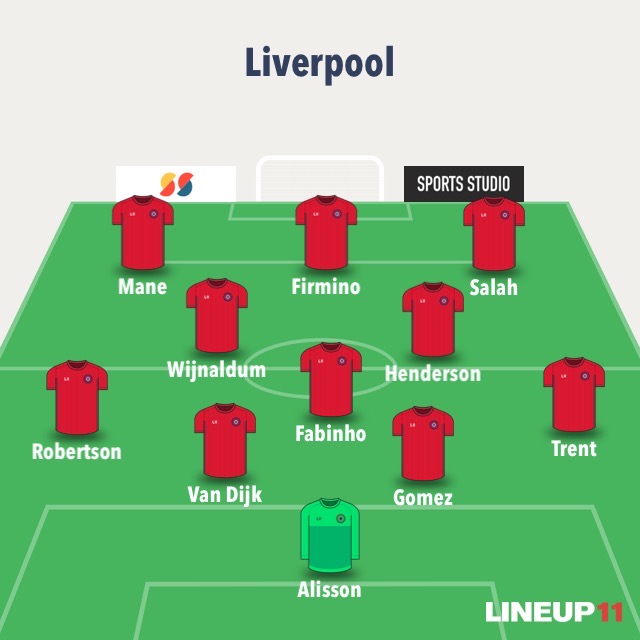
Unfortunately for them, the tactical side of the game has evolved with the majority of teams favoring 4-3-3 or 3-4-3 formations. Although sometimes used mid-game, the 4-2-3-1 formation which has the number 10 at the centre of proceedings is not as popular. The last two winners of the Premier League Liverpool and Manchester City have both employed 4-3-3. Both teams use the formation in varied ways but play with no recognised “10”. Liverpool’s three midfielders are workhorses with great physical abilities, who recycle the ball and allow their fullbacks to be the primary creators. A pivotal moment in the tactical evolution was when Pep Guardiola came to England. He played a 4-3-3 formation where he transformed two number 10’s in David Silva and Kevin De Bruyne to number 8’s.
Guardiola tweaked the attacking midfielders’ games especially De Bruyne’s, which is something I will touch on later. The Citizens manager plays a single pivot with two advanced playmakers ahead. This is something that proved fruitful and it has had a domino effect. Leicester manager Brendan Rogers assumes the same formation. We are in an era of Gegenpressing and Tiki Taka which means what you do off the ball has become as important as what you do on it.
A more dynamic game!
Not only has the tactical side of football evolved but the tempo of the game has sped up. Teams are opting for more of an athletic type of player that can combine their physical attributes along with their technical ability. Athleticism is a key part of the modern game however this tends to be a weakness of the archetypal number 10. Juan Mata and Mesut Ozil are part of the few left in the Premier League. Although not getting as much game time as they would possibly like in the 2019/20 season, they both recorded less than 1 tackle per game. Ozil averaged 0.3 interceptions, whilst Mata averaged 0.2 per game. If you compare them to James Maddison and Kevin De Bruyne who play as 8’s, they average 1.3 and 2 tackles respectively per game. This shows how ineffective the original type of 10’s is in the defensive phase.
Whilst playing as an 8, De Bruyne remains the architect of Manchester City’s attacks. The Belgian equaled Thierry Henry’s record of 20 assists whilst scoring 9 league goals. Guardiola has found a way for his so-called “number 10” to be a creative juggernaut and also be effective off the ball. Below is an image of De Bruyne’s heat map in the 19/20 season according to Wyscout.
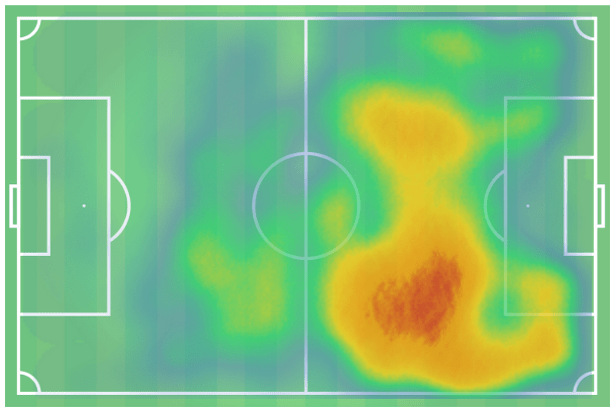
The heat map demonstrates how Guardiola has changed De Bruyne’s game to heavily play in the right half-space as a number 8 and create chances that way. The interesting aspect of this heat map is how willing De Bruyne is to get back in the defensive phase to help out his team. I believe Guardiola has instructed him to play as a number 10 along with the other advanced playmaker when City are in possession. However, when the team is out of possession, he reverts to an 8.
This is a smart reinvention of the role as you are giving players such as De Bruyne creative freedom without hindering the team defensively and as a cohesive unit. The picture below is James Maddison’s heat map in a 2-0 win against Bournemouth.
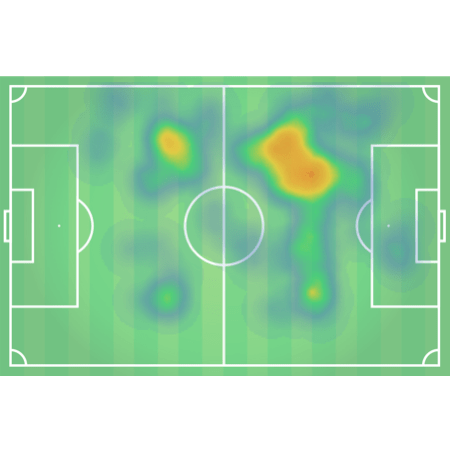
This time Maddison is playing in mostly the left half-spaces as an advanced playmaker just like De Bruyne. Maddison can contribute heavily to the attacking phase without being a “luxury player”. However, when Leicester is out of possession, he doesn’t switch off and tracks back helping the team out defensively with his positioning as you can see.
Push them out wide?
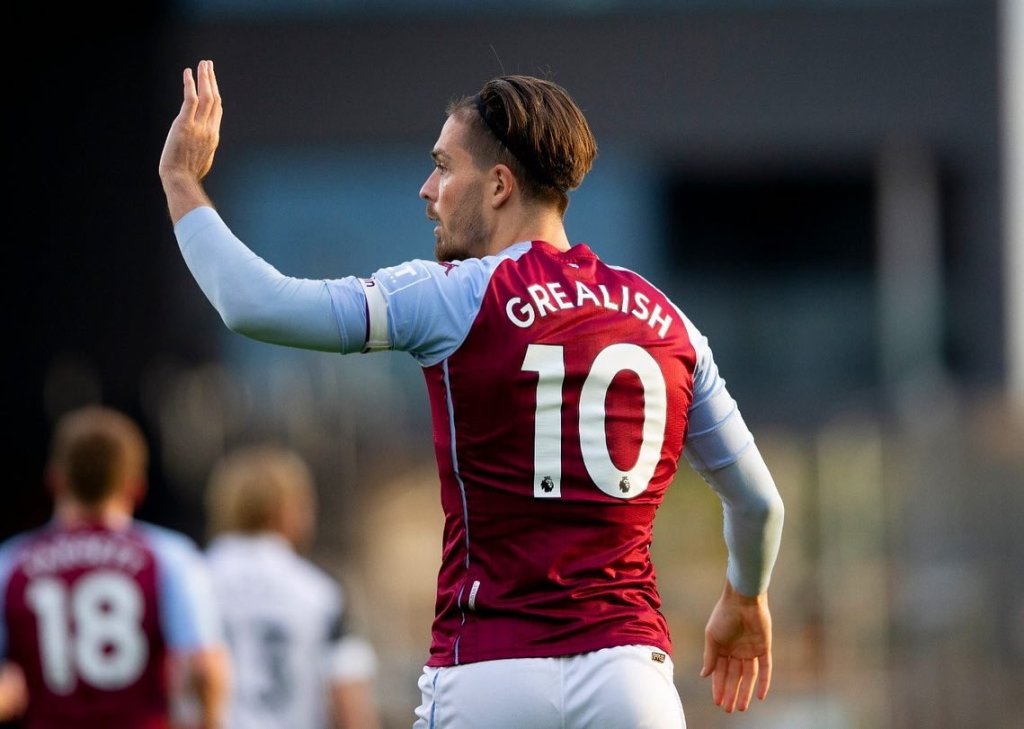
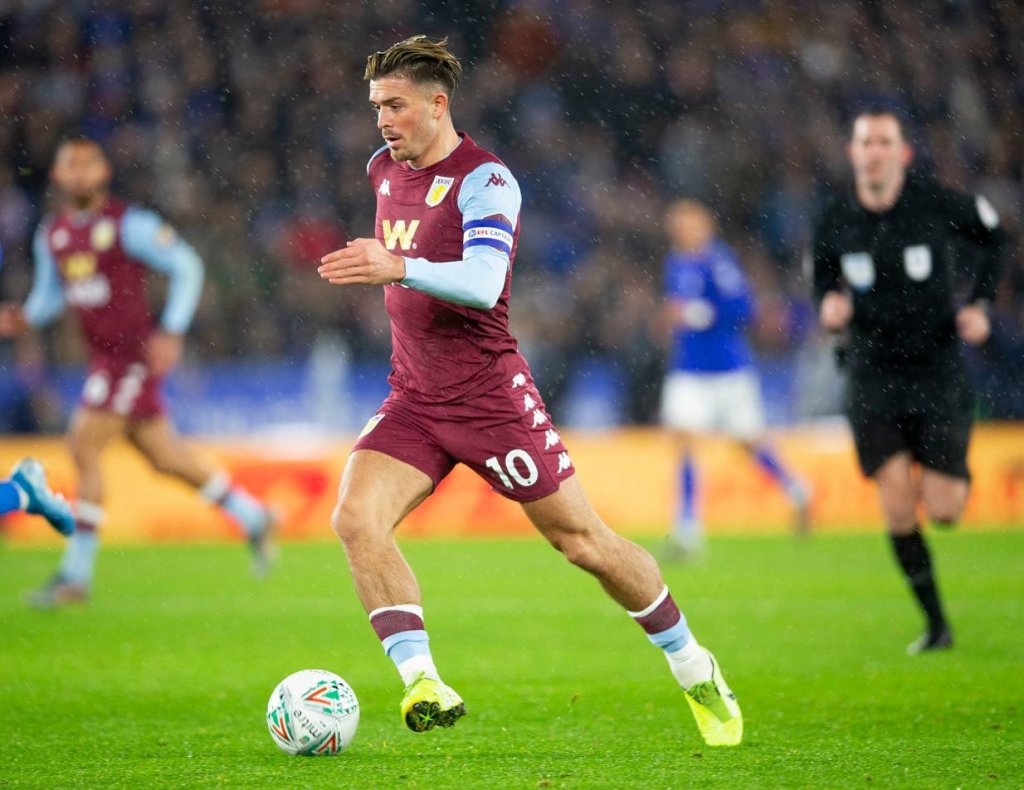
Another way managers have found a solution to get that creative spark in their teams, whilst not paying for it defensively, is to play number 10’s out wide. The middle of the pitch can be very crowded and the 10 is a position you are constantly trying things on the ball. Being creative can be very high risk, so when the 10 loses the ball it can prove costly as it potentially sets the opposition up for a counter attack. A solution to limit the turnovers is to play them out wide, as the number 10 can lose the ball in a less important area of the pitch. A case study of this is Aston Villa’s, Jack Grealish. Although Grealish started his career playing as an 8 or 10, Villa manager Dean Smith played Grealish throughout the 19/20 season as a left winger. I believe this was to give Grealish the freedom to be the teams attacking heartbeat without harming Villa on the defensive side. Grealish can roam and create whilst the central midfielders mop up and cover the spaces he leaves.
This is a different way of using the number 10 in modern Football because Grealish has the athleticism to play out wide. This was a wise decision from Dean Smith as Grealish was able to get 8 goals and 6 assists saving Villa from relegation. Grealish was a machine on the creative end, making 91 chances for his teammates in the 19/20 season. This ranked 2nd in chances created in the Premier League only behind Kevin De Bruyne. Another 10 who plays wide is James Rodriquez. Since coming to Everton, Carlo Ancelotti has used Rodriquez mainly on the right wing and he has had an instant impact on the Toffees. The important aspect of playing these playmakers wide is they can still come centrally when their team is attacking. However, in the defensive phase, they are positioned out wide to give the team balance.
Dead or Reinvented?
There are still a few teams who play 4-2-3-1 with a number 10, such as Bayern Munich and Manchester United. Thomas Muller plays in the Munich side and has heavily adapted his game to creating for the forwards. I wouldn’t say the glamorous number 10 position is completely dead in Football but it has been reinvented. Players and coaches who have learned to adapt and tweak the role have been successful such as De Bruyne and Grealish. The 10’s who haven’t adapted to the dynamism in the modern game are suffering as a result. Football just like many industries has trends and it’s possible in a couple of years, the 10 position may become “in vogue” again but for now, evolve or be extinct for traditional number 10’s.







 Peter's Football Thoughts